

VILNIUS, Lithuania – A growing body of research suggests that selectively restricting a single nutrient in our diet could have profound effects on longevity, cancer prevention, and overall health. Scientists at Vilnius University (VU) are leading the charge in understanding how dietary interventions—particularly limiting the amino acid methionine—may protect against disease and extend lifespan.
The Power of Nutrient Restriction
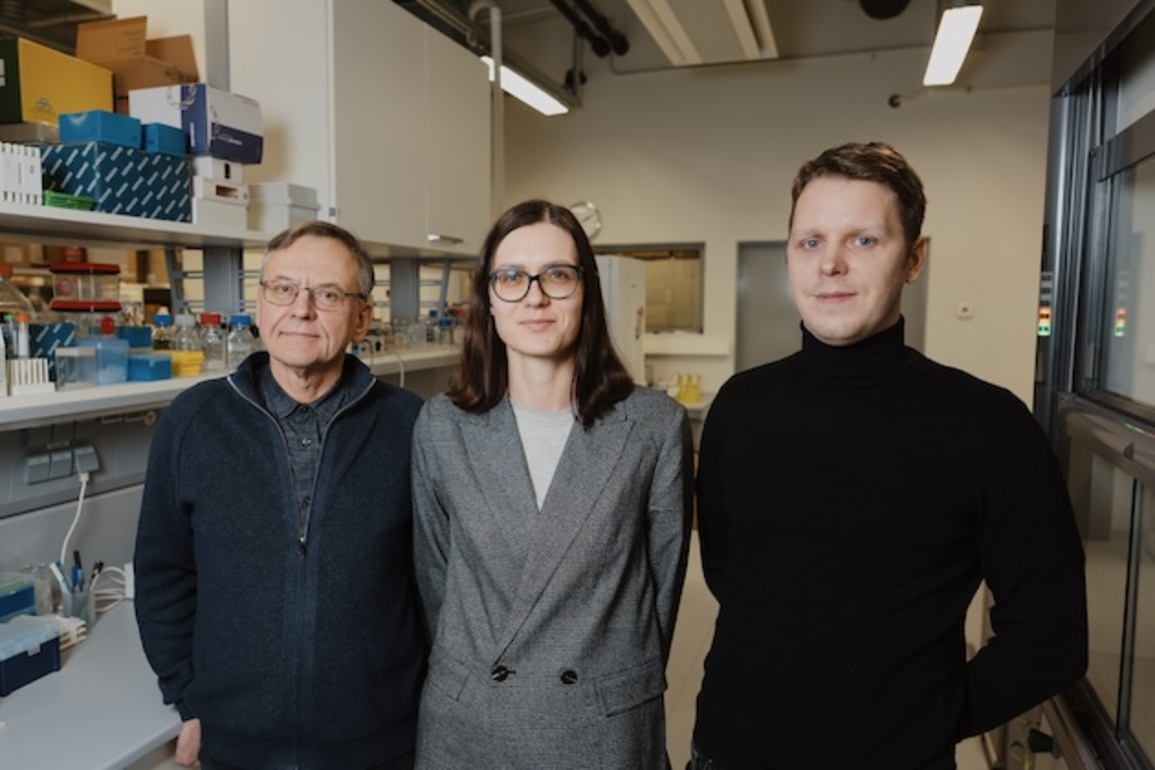
Dr. Liepa Gasiulė and Dr. Vaidotas Stankevičius, molecular and chemical biology researchers at VU's Life Sciences Center (LSC), specialize in epigenetics—the study of how environmental factors, including diet, influence gene expression. Their work suggests that targeting specific nutrients—such as amino acids, fats, and sugars—could revolutionize disease prevention and healthy ageing.
"There is strong evidence that restricting certain nutrients can help prevent cancer, slow ageing, and protect the cardiovascular and nervous systems," says Dr. Stankevičius. "These findings are moving beyond lab experiments and could soon shape real-world nutritional strategies."
Methionine: A Double-Edged Sword
Methionine, an essential amino acid found in protein-rich foods like meat, fish, eggs, and Brazil nuts, plays a critical role in protein synthesis, tissue repair, and inflammation control. However, excessive intake has been linked to cardiovascular problems, cognitive decline, and impaired muscle growth.
"Protein is often glorified in wellness circles, but balance is key," says Dr. Gasiulė. "Too much methionine can be harmful, while controlled restriction may offer significant health benefits."
Extending Lifespan Through Diet
The potential of methionine restriction first emerged when scientists observed a 30% increase in the lifespan of rats fed a methionine-limited diet. Subsequent studies in worms, fruit flies, and mice confirmed similar effects, with reduced oxidative stress and enhanced cellular protection.
"It's not just about living longer—it's about living healthier," says Dr. Gasiulė. Methionine restriction has also shown promise in managing metabolic and inflammatory disorders.
A New Weapon Against Cancer
Cancer cells are particularly dependent on methionine for rapid growth. "The more aggressive the tumor, the more it relies on external methionine," explains Dr. Stankevičius. This vulnerability has led researchers to explore methionine restriction as a potential adjunct to chemotherapy and radiation.
Clinical trials are now investigating methioninase, an enzyme that breaks down methionine, as a way to starve cancer cells. Additionally, S-Adenosyl-L-methionine (SAM), a molecule derived from methionine, plays a crucial role in DNA methylation—a process that regulates gene expression.
"Cancer cells hijack methylation to silence tumor-suppressing genes and activate malignant ones," says Dr. Gasiulė. "By controlling methionine levels, we may disrupt this process and improve treatment outcomes."
Breakthrough in Epigenetic Research
A key challenge in studying methionine's effects has been tracking its impact on DNA methylation. Now, VU researchers have developed a groundbreaking method to monitor these changes with unprecedented precision.
Using electroporation, the team delivers custom molecules into cells, tagging DNA to record methylation activity. "It's like leaving a fingerprint on the genome," says Dr. Gasiulė. This technique allows scientists to isolate the effects of DNMT1, a critical enzyme that maintains methylation patterns during cell division.
"This is the first method that lets us distinguish DNMT1's role so precisely," says Dr. Stankevičius. The approach also uses modified methionine analogues to manipulate methylation in cancer cells, offering new insights into how diet influences gene regulation in disease.
Future Directions
While the findings are promising, the researchers caution against extreme dietary changes. "Methionine is essential for growth and development, so restriction must be carefully controlled," says Dr. Gasiulė. Future studies will focus on refining methionine tracking tools and exploring clinical applications.
This research was supported by the Research Council of Lithuania (Project No. MIP-23-108) and Vilnius University's Young Scientists' Ideas Project.
As science continues to unravel the links between diet and epigenetics, methionine restriction could emerge as a powerful tool in the fight against ageing and cancer—ushering in a new era of precision nutrition.